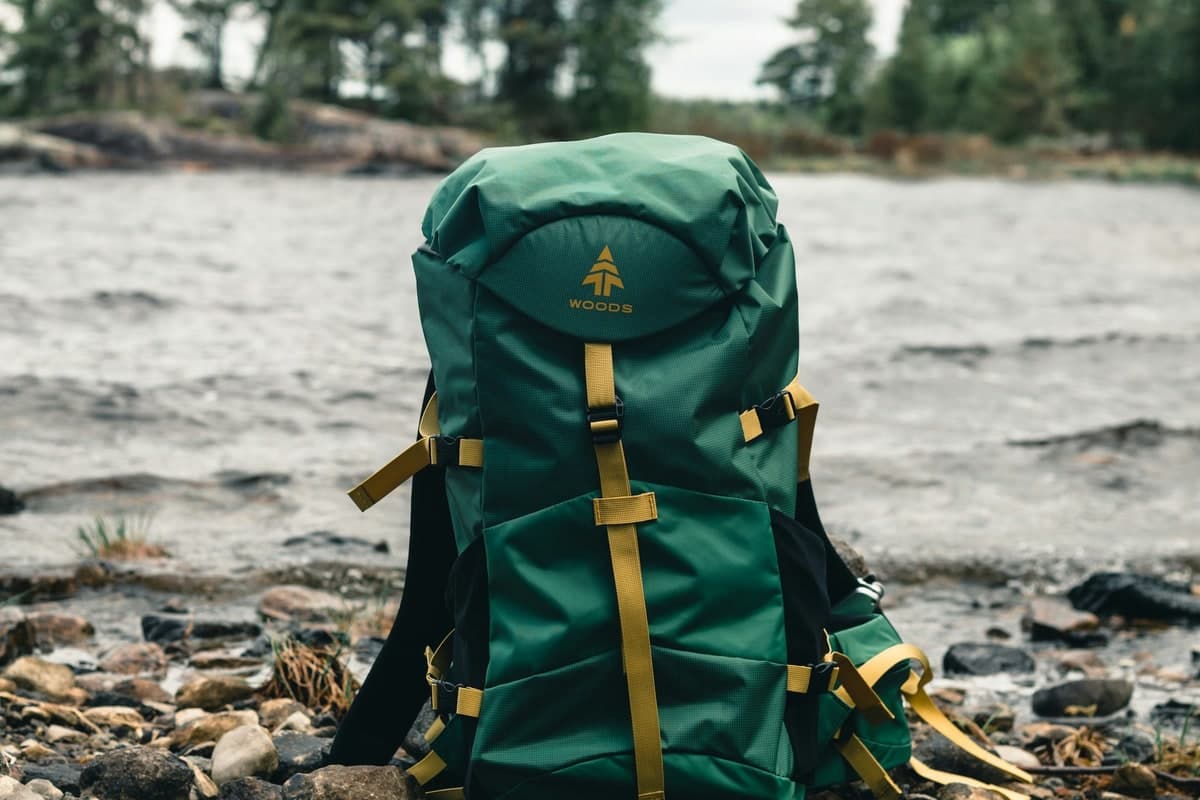
"That'll never happen to me" are famous last words that are more likely to make it happen to you.
Prepare For Worst Case Scenarios
There are a lot of things in life that I would prefer to leave in the category of “worry about later.” House fires. Car crashes. Getting lost somewhere unfamiliar. A medical emergency. A natural disaster. Running into a person who sets off every internal alarm bell I have. None of this is fun to think about, which is probably why so many of us avoid it.
Unfortunately, reality does not care whether I find a topic inconvenient.
One thing that hit me while reading How to Drag a Body and Other Safety Tips You Hope to Never Need by Judith Matloff was how much survival starts before anything bad happens. Not because I am supposed to live in a constant state of doom, clutching a flashlight and whispering “this is fine” to a canned bean of light. But just because denial is not actually a safety strategy.
Why I Put This Off
A lot of preparation sounds obvious in theory and annoyingly optional in practice.
I can always make an emergency plan later. I can always put together a real first-aid kit later. I can always save those important phone numbers somewhere besides my phone later. I can always think through what I would do if I got stranded, injured, evacuated, followed, or otherwise launched into a very unwanted side quest later.
And then later keeps doing what it does best, which is never arriving in a useful form.
I think part of the problem is that preparation does not usually feel urgent until it is way too urgent. Buying batteries is boring. Learning basic emergency skills is less exciting than pretending I will magically become Jason Bourne if needed. Making a plan with other people feels awkward right up until everyone is confused at the same time.
Prepared Beats Brave
The point of preparing for worst case scenarios is not to become fearless. The point is to reduce the amount of chaos I have to manage while scared.
If I have already thought through a few basic situations, I don't have to invent a personality and a plan from scratch in the middle of a crisis. I can just fall back on whatever tiny amount of useful preparation Past Me managed to leave behind for Present Me. Frankly, this may be the nicest thing Past Me can do.
That can mean very simple stuff:
- Knowing how to contact the people I would need to reach.
- Having basic supplies where I can actually find them.
- Thinking through exits, meeting points, and backup plans.
- Learning a few skills before adrenaline turns my brain into soup.
- Paying attention to people and situations that feel off instead of politely ignoring my own instincts.
None of this guarantees a good outcome. Preparation is not a magic charm. It just improves the odds, and improved odds are underrated.
The Mental Side Counts Too
Physical prep matters, but mental prep matters too.
If I have never pictured myself responding to an emergency, it is easier to freeze, minimize, or waste precious time trying to decide whether something is “serious enough” to count. I have done enough humaning to know that my brain loves to negotiate with reality when reality is being rude.
So part of preparation is permission. Permission to leave early. Permission to call for help. Permission to make a scene. Permission to trust that weird feeling. Permission to treat confusion as a signal instead of a fun little puzzle.
That is especially true when the danger involves other people. A lot of us are trained to be agreeable long past the point where agreeable is useful. I would rather be slightly awkward than spectacularly unprepared.
Hoping And Preparing
I do not want to build my life around fear. That is not the goal here. I still want to assume most days will be normal, most people will be fine, and most disasters will continue to happen somewhere that is not my living room.
But I also want to respect the fact that bad things do happen, and they go better when someone has done a little homework. So this is my friendly reminder to myself, and maybe to you too: make the plan, learn the skill, buy the thing, save the number, talk through the scenario. Then go live your life and hope none of it becomes relevant.
Right now, the small thing I am trying is very unglamorous: pick one scenario I usually avoid thinking about and prepare for just that one. Not the whole apocalypse. Just one less totally avoidable surprise.